loading...

Free shipping for orders above £159.00

Cover, Insert or One Piece

Duvet Cover vs Comforter: What’s the Difference and Which Do You Need?

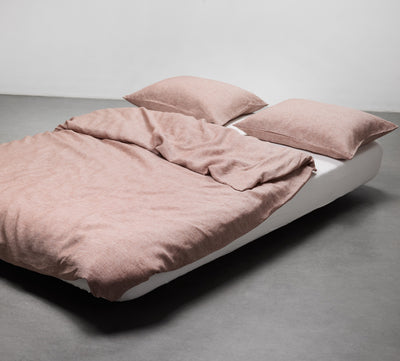
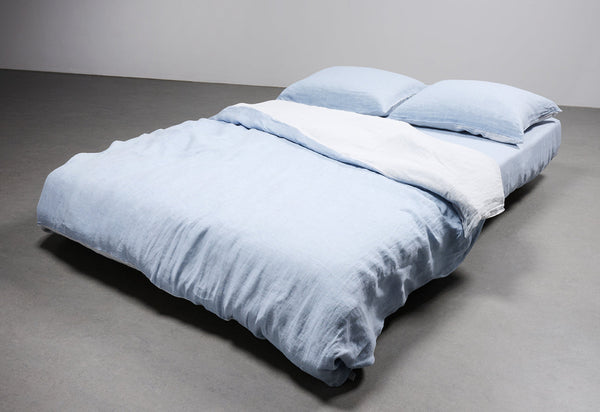
Soft white duvet cover and pillow on an unmade bed in natural light

A Clear Guide to Covers, Filled Layers and Complete Bedding Systems

A Removable Percale Cover and a Separate Plant-Based Filled Duvet

Products Used

A Removable Percale Cover and a Separate Plant-Based Filled Duvet

The White Pima Cotton Percale Bedding page lets shoppers select a duvet cover, sheet or pillow cover individually and explicitly states that it is not a complete bedding set. The removable cover is Italian-woven 300 thread count long-staple Pima cotton percale, hand-finished in Italy, with a YKK zip. The Eco Rest duvet is the separate filled layer: its TENCEL Lyocell outer shell contains a plant-based blend of Lyocell, kapok and corn fibres. It is sold in six listed duvet sizes. A decorative cover is not the same object as the duvet’s permanent fabric shell, so match the selected dimensions before ordering.

Explore Collections

Duvet Cover vs Comforter: What’s the Difference and Which Do You Need?

Start With What Contains Fill

A duvet cover is an unfilled, removable textile envelope. A duvet insert is the filled layer placed inside it; in Switzerland this filled piece is commonly called a duvet. A comforter, especially in North American retail language, is generally a filled top layer with an outer fabric intended to be visible, often used without a separate decorative cover. A bedspread or coverlet is primarily an additional decorative layer and may be lighter or differently constructed. These words are not perfectly standardized between markets, so inspect the product description instead of buying by name alone. Ask three questions: does it contain fill, is its outer layer removable, and which other pieces are included? The bedding sets collection lets shoppers choose covers, sheets and pillow pieces, but each product selector still determines the actual order.

Compare Care and Styling Needs

A cover-and-insert system separates the frequently visible, washable layer from the filled component. It allows colour and fabric to change while the insert remains the same, provided the dimensions and closures are compatible. The cover still needs regular laundering according to its label; the insert follows its own, usually less frequent, care programme. A comforter offers a simpler one-piece arrangement, but cleaning the visible surface means treating the filled item itself, subject to its label, machine capacity and drying requirements. Neither system is universally better. Choose the removable-cover route for frequent colour changes, separate care and flexible seasonal combinations. Consider a one-piece filled layer when fewer components and a direct finished look matter more. For guest rooms, record exactly which cover, insert, sheets and pillowcases belong together. The cotton bedding collection provides cover options, while a separate duvet supplies the fill.

Compare Care and Styling Needs
ZigZagZurich

ZigZagZurich

Separate Layers, Better Choices

Explore artist

FROM THIS ARTIST / ZZ RECOMMENDATIONS

Duvet Cover vs Comforter: What’s the Difference and Which Do You Need? Duvet Cover vs Comforter: What’s the Difference and Which Do You Need?

Check Every Piece Before Ordering

Write a component list before adding anything to the cart: mattress size, sheet, pillowcases, filled duvet or other top layer, removable duvet cover and optional bedspread. For each item, record whether it contains fill, whether its outer textile can be removed, its exact width and length, closure, care label and what the product selector currently includes. Never infer a complete set from a lifestyle image or the word bedding. On the White Pima Cotton Percale page, the duvet cover, sheets and pillow covers are separate selections; the filled duvet must be added separately. Eco Rest is a filled duvet and lists 140 × 200, 160 × 210, 200 × 200, 200 × 210, 240 × 220 and 240 × 240 cm options. Match exact numbers rather than regional labels such as single, double, queen or king. Confirm that the selected cover corresponds to the chosen insert, and check whether internal ties or other attachment features are stated instead of assuming them. Follow each sewn label separately and ensure the washing machine and drying method suit the filled item. Browse the bedding sets collection to assemble the visible layers, then use the beginner duvet-cover guide for changing technique. The purchase is complete only when every required layer is named, measured and deliberately selected.
YOUR CART IS EMPTY