
















Textiles are among the earliest forms of human expression. Long before they shaped interiors, they carried meaning, identity, and memory. While fabric has always served practical needs such as warmth and shelter, it has also held cultural and artistic significance across generations.
Today, textile art moves beyond function. Fabric becomes a medium for ideas, emotion, and narrative. Through texture, structure, and material choice, artists create works that invite reflection and connection.
Textile art exists at the intersection of craft, design, and fine art. It transforms familiar materials into expressive objects, where materiality itself becomes part of the story.
What is textile art?
Textile art is an artistic practice that uses fibers, fabric, and yarn as its primary medium. These materials may be natural or synthetic, chosen for their texture, structure, and expressive potential. Unlike decorative textiles created mainly for pattern or utility, textile art is guided by artistic intent and conceptual meaning.
Some works exist purely as visual pieces, such as wall hangings or sculptural forms. Others remain functional, including blankets or curtains, yet carry a clear artistic vision.
A Brief History Of Textile Art
While contemporary textile art is now recognized in galleries and museums, its roots are ancient and deeply woven into cultural history.
1. From Cultural Roots To Fine Art

Textile art has deep cultural origins that stretch back thousands of years. Across civilizations, weaving, embroidery, and natural dyeing served as powerful forms of storytelling. Textiles recorded histories, reflected social status, and expressed regional identity through material and technique.
For much of Western art history, textiles were placed outside the realm of fine art. They were often classified as applied arts and associated with domestic craft rather than artistic innovation.
This began to change in the early 20th century, when artists and designers, including those connected to the Bauhaus movement, recognized the expressive potential of textile as a serious artistic medium. Their work helped reposition textiles within contemporary art and design.
2. Contemporary Textile Art

Today, textile art holds a respected place in galleries, museums, and private interiors. Artists use fiber and fabric to explore themes such as identity, memory, and cultural belonging. The tactile nature of textiles creates an immediate, sensory connection that differs from other visual media.
This renewed appreciation also extends into the home. Textile art brings depth, softness, and narrative into interior spaces, offering objects that are both visually compelling and deeply human.
Types of Textile Art
Textile art encompasses a wide range of techniques, each offering distinct possibilities for expression. Through structure, surface, and material, artists transform fiber into visual and tactile works that engage both the eye and the senses.
1. Woven and Tapestry Art
Weaving is one of the oldest textile techniques, created by interlacing threads on a loom. In contemporary practice, tapestry has evolved into a powerful artistic medium. Artists use it to create abstract compositions, subtle textural studies, and detailed narrative works that exist as independent pieces within an interior space.
2. Printed Textile Art
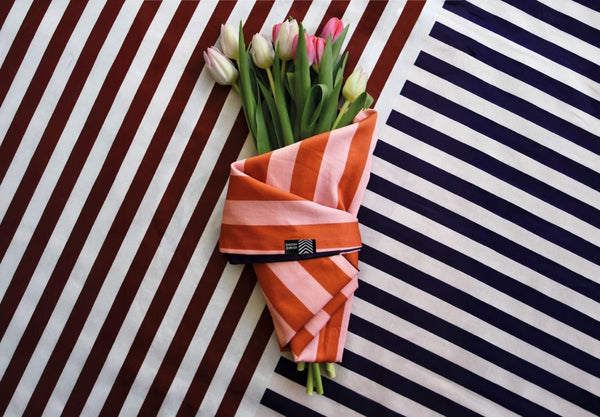
Printed textile art allows artists to translate their visual language directly onto fabric. Techniques such as screen printing, block printing, and digital printing preserve the clarity of an original artwork while introducing the depth and softness of textile. This process creates surfaces that retain the immediacy of drawing or painting while gaining a new material presence.
3. Embroidery and Stitch-Based Art
Embroidery introduces line and texture through the movement of thread. Each stitch becomes a deliberate mark, building imagery, structure, or abstraction. The result can be intricate and detailed or restrained and minimal, revealing the hand of the artist through subtle variation and precision.
4. Mixed Media Textile Works
Many contemporary artists expand textiles beyond their traditional boundaries by combining fabric with materials such as paint, wood, or metal. These works explore dimension, layering, and form, often moving into sculptural or installation-based expressions that challenge conventional definitions of textile.
5. Functional textile art

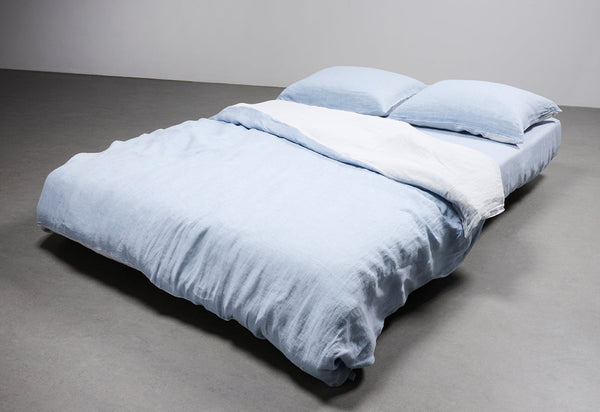
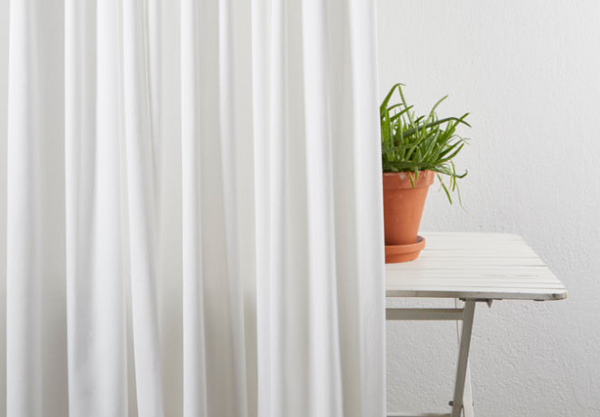
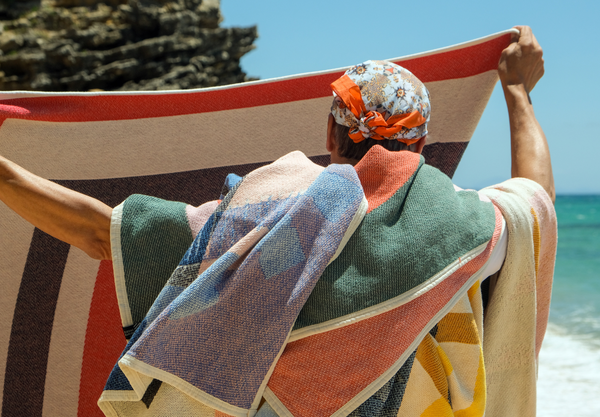
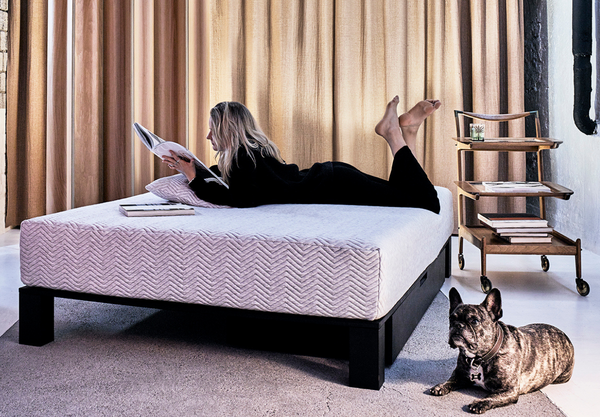
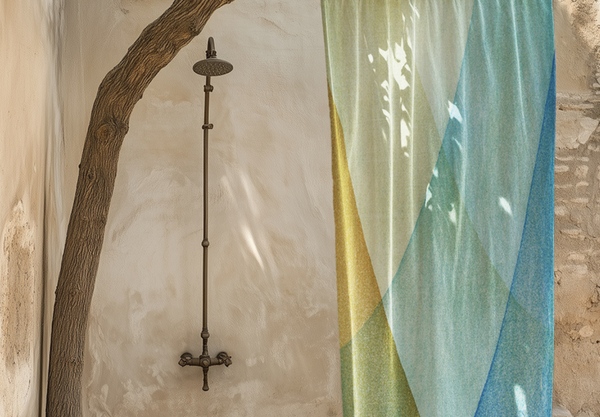
Textile art also exists within everyday life. Artist-designed curtains, bedding, and blankets bring artistic expression into the home while maintaining their practical role. These pieces introduce texture, depth, and visual narrative into a space, allowing art to become part of daily experience rather than something observed at a distance.
Textile Art Vs. Decorative Textiles: What’s The Difference?
It can be tricky to distinguish between a textile designed for decoration and one created as a piece of art. The primary difference lies in the creator's purpose.
|
Textile Art |
Decorative Textiles |
|
Guided by the artist’s individual vision and creative intent |
Guided by design goals and interior coordination |
|
Concept, narrative, and material exploration are central |
Pattern, colour, and visual harmony are the primary focus |
|
Expressive in nature, often created as unique works or limited editions |
Functional in nature, often produced at scale for broader use |
|
Invites emotional and intellectual engagement |
Enhances the atmosphere and cohesion of a space |
At ZigZagZurich, we offer textiles that exist at this intersection. Through close collaboration with contemporary artists, functional home textiles carry the clarity and depth of an artistic vision, bringing expressive character into everyday living spaces.
What Makes Textile Art Unique as a Medium?
Textile art is defined by its physical and sensory presence. Texture, weight, depth, and structure shape how each piece is experienced, creating a connection that is both visual and tactile. Textile interacts with space in a unique and tangible way, introducing depth and softness that can be seen and felt.
Material is central to this expression. Each fiber reflects light differently, holds form in its own way, and reveals subtle variations through movement and use. These qualities give textile art a sense of life, allowing it to shift gently with its environment and remain visually engaging over time.
Textile art also exists in close relationship with daily life. It becomes part of the interior itself, shaping the atmosphere while retaining artistic meaning. This balance between function and expression allows textile art to bring lasting presence, warmth, and individuality into the spaces we inhabit.
How to incorporate textile art into your home

Bringing textile art into your home begins with choosing pieces that feel personally meaningful. The goal is not to fill a space, but to introduce presence, texture, and charm in a way that feels natural and lasting.
-
Start with one statement piece: A distinctive duvet cover, throw, or curtains can define the visual atmosphere of a room and serve as a quiet focal point.
-
Balance with neutrals: Calm surroundings allow the textile to remain the centre of attention. Solid colours, natural materials, and restrained forms help highlight texture and composition.
-
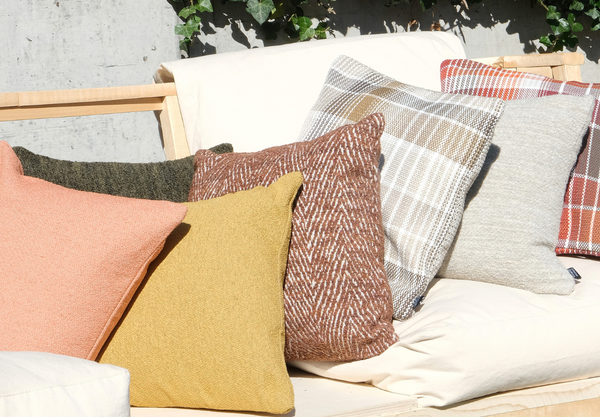
Focus on texture: A textile does not always need bold patterns to create impact. Subtle weaves, rich materials, and considered structure add depth and visual interest.
-
Choose what you love: Textile art becomes part of daily life. Selecting pieces that resonate personally ensures they continue to bring meaning, comfort, and inspiration over time.
Zigzagzurich’s Approach To Textile Art
At Zigzagzurich, we bring art and textiles together through collaboration with a diverse range of artists. Each partnership invites painters, illustrators, and designers to translate their original works into textile form, preserving the depth, character, and intention of their creative vision.
This collaborative process ensures that every piece carries the authenticity of the artist’s hand, expressed through material. Find the artist that collaborate with ZigZagZurich and let us know which one is your favorite.
We approach fabric as a true artistic surface. Produced in limited runs and crafted using premium materials, each textile preserves the nuance of the original composition. This process ensures that every piece feels considered, enduring, and deeply connected to its source.
The result is textile art that lives with you. Curtains that shape light and atmosphere. Bedding that introduces comfort with artistic presence. Blankets that carry both warmth and narrative. These are objects designed not only to be seen, but to be experienced, bringing art into the quiet rhythm of everyday life.
Explore our collections of artist-designed textiles and discover a new way to bring art into your home. Shop at ZigZagZurich now!
Frequently Asked Questions
Is textile art considered fine art?
Yes. Textile art is widely recognised within the contemporary art world and regularly exhibited in museums, galleries, and international exhibitions. Artists working with textile are valued for their ability to explore material, form, and narrative through fiber and fabric.
Can textile art be functional?
Yes. Many artists intentionally create textile works that serve a practical role within the home. Curtains, blankets, and bedding can carry clear artistic intent while remaining part of daily life. This approach allows art to exist beyond display, becoming part of how a space is experienced.
Is textile art sustainable?
Textile art can support more conscious production, particularly when created using natural and durable materials such as wool, linen, or cotton. When thoughtfully produced, these textiles are designed to last, encouraging a slower and more considered relationship with the objects we live with.
How is textile art different from pattern design?
Pattern design often focuses on creating repeatable decorative motifs. Textile art begins with an artistic concept, where the entire composition is treated as a complete work. The emphasis lies in expression, material presence, and the integrity of the original vision.
Can I use textile art in minimalist interiors?
Yes. Textile art introduces warmth, texture, and visual depth without adding unnecessary complexity. A single, carefully chosen textile can anchor a minimalist space, creating focus while preserving a sense of calm and restraint.
Textile art expands how art can exist in the home. It moves beyond the wall and becomes part of everyday life, bringing texture, meaning, and artistic presence into the spaces we inhabit.

