
















Thread count has long been used as a quick signal of quality bedding. Higher numbers are often seen as better, yet this idea reduces a complex craft to a single figure. In reality, thread count reflects quantity, not how a fabric feels, ages, or performs in daily use.
The truth is, true luxury comes from what the numbers cannot show. Fiber quality, yarn structure, and finishing methods influence softness, breathability, and durability.
Understanding these details shifts the focus away from marketing claims and opens the door to choosing bedding that feels thoughtful, balanced, and made to last.
What Thread Count Really Means
Thread count refers to the number of threads woven into one square inch of fabric, including both lengthwise warp threads and widthwise weft threads. A fabric woven with 150 warp threads and 150 weft threads results in a thread count of 300. This measurement describes density, not quality.
The limitation lies in how the number is achieved. Some manufacturers increase thread count by twisting together multiple thinner, lower-quality yarns into a single strand, known as multi-ply yarn.
A sheet woven this way can be labelled as 600 thread count while containing only 300 actual threads per square inch. The result is often a heavier fabric that traps heat and lacks the softness, breathability, and longevity associated with well-made bedding.
The Real Secret To Luxury Bedding Is Fiber Quality
The most important factor in creating soft, resilient, and long-lasting bedding is the quality of the raw fiber, particularly its staple length. Staple length refers to the length of each cotton fiber before it is spun into yarn, and it plays a crucial role in determining how the fabric feels and performs over time.
What is long-staple cotton?
Long-staple cotton comes from varieties with naturally longer fibers, which allow yarns to be spun smoothly and more evenly. Much like long hair woven into a neat braid creates a clean, strong structure, longer cotton fibers produce fabric that feels refined, resists pilling, and holds its integrity over time.
Why longer fibers create better sheets

Long-staple cotton allows spinners to create yarns with greater consistency and integrity. This directly influences how the fabric feels, performs, and ages over time.
- Greater Softness: Longer fibers leave fewer loose ends on the surface of the fabric, resulting in a smoother, more refined feel against the skin.
- Increased Durability: Stronger, finer yarns are less likely to pill, fray, or weaken with use, helping sheets retain their quality wash after wash.
- Enhanced Breathability: Uniform yarns create lighter fabrics that allow air to circulate more easily, supporting comfortable temperature regulation throughout the night.
Finding Your Perfect Feel With Percale And Sateen
Once fiber quality is established, the weave defines how the fabric feels and performs. In fine bedding, percale and sateen are the two most widely used weaves, each offering a distinct character.
For a crisp, cool feel
Percale is a simple, grid-like weave with one thread over, one thread under. This structure creates a matte, crisp fabric that feels light and airy. Because it’s highly breathable, percale is an excellent choice for hot sleepers or those who prefer the classic feel of freshly laundered hotel sheets.
For a silky, smooth surface
Sateen is woven with longer floats, typically four threads over and one under. This brings more yarn to the surface, creating a soft sheen and a fluid, draped feel. Slightly warmer and less airy than percale, sateen offers a more enveloping sensation that feels relaxed and indulgent.
A Simple Checklist For Choosing True Luxury Bedding
Choosing well becomes easier when you focus on the essentials. This short checklist helps cut through marketing claims and highlights what genuinely matters in fine bedding.

1. Look for 100% long-staple cotton
Product descriptions should clearly reference long-staple fibres or recognised high-quality cotton varieties. This is one of the most reliable indicators of lasting softness and strength.
2. Choose a weave that matches your preference
Decide if you’re looking for the cool crispness of percale or the silky smoothness of sateen. The right choice depends on how you want your bedding to feel against the skin.
3. Prioritize craftsmanship over inflated numbers
Thread count alone tells very little. Signs of skilled production and careful finishing, point to bedding designed to age well and retain its comfort over time.
Where Craft, Comfort, And Artistic Expression Meet
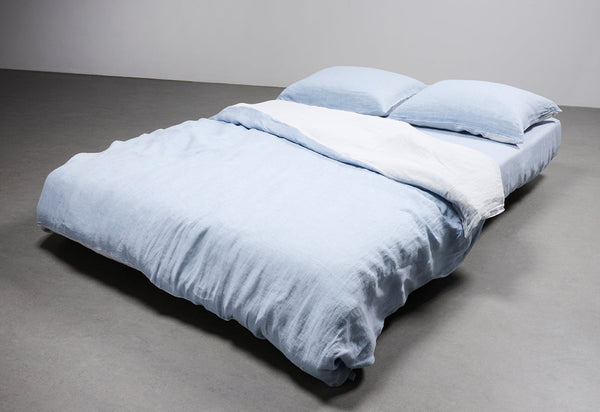
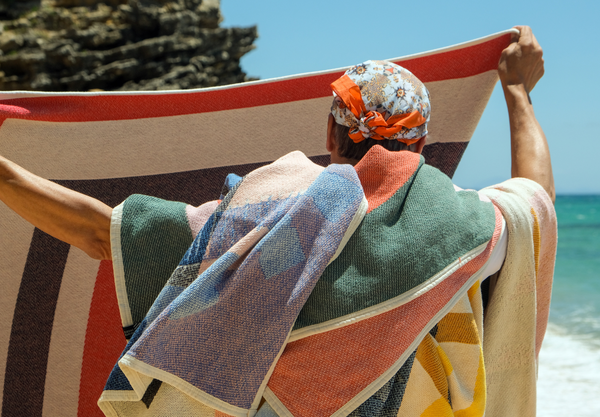
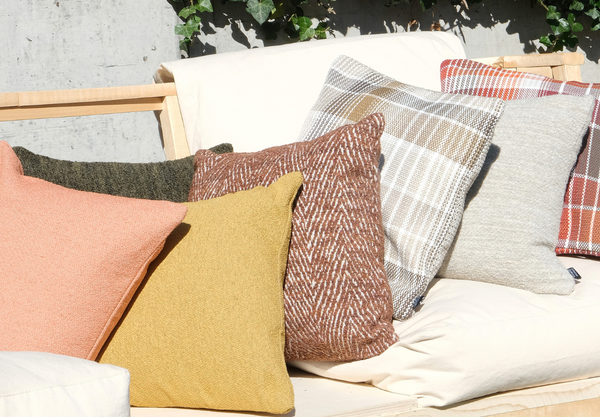
While they may seem simple at a glance, bedding balances performance and expression. Comfort comes from fiber quality, weave, and skilled production, while design shapes how a space feels and how you connect with it. When these elements work together, the result is bedding that performs beautifully and brings lasting pleasure, both tactile and visual.
At ZigZagZurich, we bring this balance to life through artist-designed bedding created by talents from around the world. Each piece is handcrafted in Italy using eco-certified production methods and made from the finest quality fabric, offering durability, safety, and ease of care.
Explore the ZigZagZurich collection and discover bedding where quality materials meet distinctive design!
Frequently asked questions
Is a higher thread count always bad?
Not necessarily. Thread count matters far less than how the yarn is made. A 400 thread count sheet woven from single-ply long-staple cotton will feel softer and last longer than a 1000 thread count sheet made with weak multi-ply fibers.
Is Egyptian cotton the only type of long-staple cotton?
No. Egyptian cotton is well known for its long fibers, but other varieties, such as Pima, also produce excellent long-staple cotton. What matters most is the long-staple designation itself, rather than the name attached to it.

